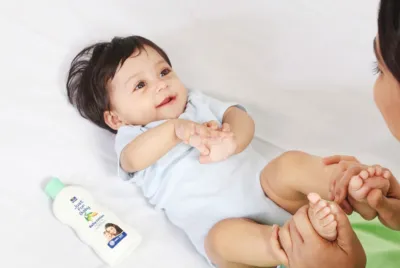

Don’t Let the Rainy Season Make Your Little One Sick: Take Care of These Six Things
Surely, the rainy season feels soothing to our souls. But

Surely, the rainy season feels soothing to our souls. But
https://www.youtube.com/watch?v=zPuu7hLoAI4
Travelling with a newborn is not something most parents feel
Bringing your newborn home and setting a daily routine means
The skin of a newborn is much thinner and more
By now you may already know that newborns are notoriously
Taking care of your newborn is a great responsibility. Understanding
During baby’s first year of life. It is crucial that
It must be heart-wrenching for you to hear your baby
By now you may already know that newborns are notoriously
Here are some important physical milestones that you need to track for your baby. Please note that all babies grow at their own pace.
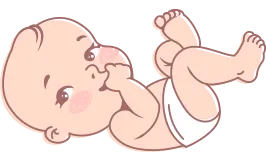 1-3 Months
Lying on back
 3-5 Months
Holding Head
 4-6 Months
Raising up
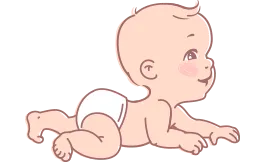 5-7 Months
Crawling on stomach
 6-8 Months
Crawling
 9-12 Months
Standing
The safety and wellbeing of children are parents number one priority. The American Association of Center for Disease Control and Prevention advocates vaccines as the most effective way of protecting your baby. Here is a list of some of the most common vaccines that are provided all over the world to children.
The typhoid vaccine causes typhoid fever and the effect may last for weeks. Vulnerable patients may be prone to severe health effects and may result in death for some patients. Typhoid vaccines are widely available and most countries offer it for free.
Dosage: 1 dose
Frequency: 24 months, booster every two years

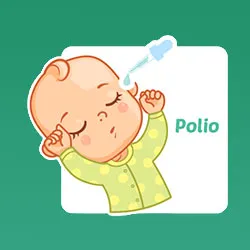
The polio virus is spread through contact with feces or objects contaminated with feces of an infected person. The disease may affect the muscles of the body and cause paralysis. The disease can be completely prevented by the IPV vaccine and needs to be taken in several doses starting usually from 2 months of birth.
Dosage: 4 doses
Frequency: 6,10, 14 weeks 9 months
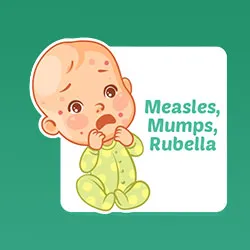
The MMR vaccine protects against 3 deadly diseases- measles, mumps and rubella. All these diseases can be caught through the air or direct contact. The diseases if contacted may give rise to a host of symptoms including fever, swelling in different areas of the body and lung infections.
Dosage: 1 dose for Measles, 1 dose for Mumps and Rubella.
Frequency: 15 months for Measles, 9 months for Mumps and Rubella.

The tetanus virus may be contracted through a cut. The effects of the disease may result in degeneration of bones and in severe cases, death.
Dosage: 2 months, 4 months, 6 months, 15-18 months, 4-6 months.
The World Health Organization recommends everyone get vaccinated in their areas to gain protection from vaccine – preventable diseases. Several Other diseases like influenza, tuberculosis, rubella etc. can also be prevented with proper vaccination.
The following vaccination guide is given as per WHO standard. Talk to your doctor or your nearest health clinic to know more about the vaccines given in your area.
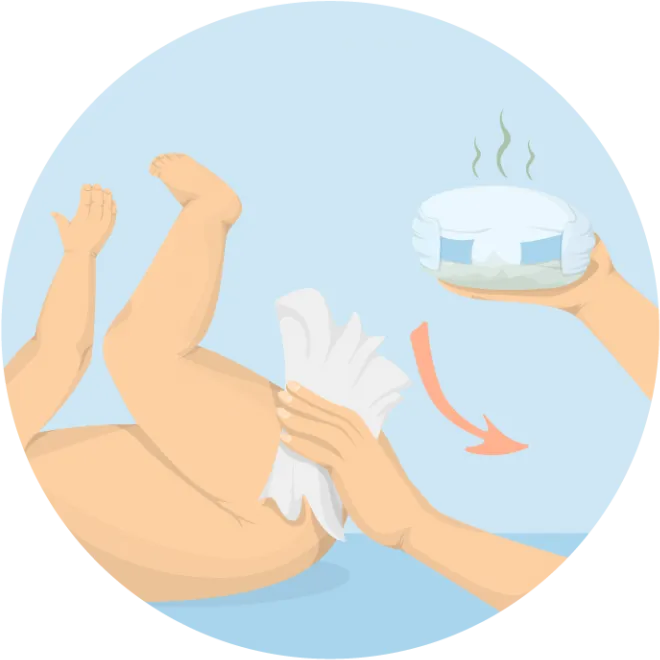

Ensure the crib is properly assembled.

Always place baby on his/her back to sleep.
Keep a smoke-free zone around your baby.

Remove everything other than the mattress and sheet from the crib when baby is sleeping.
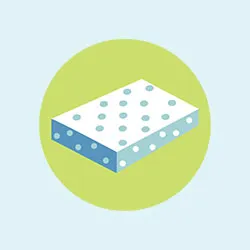
Use a firm mattress with no more than two fingers width between the crib and mattress.

Do not over-clothe baby while sleeping, baby should not be hot to the touch.

There should not be more than a soda can width between bars.

Once breastfeeding is established after a pacifier

Keep baby in a mom’s room, but in a separate sleeping area.

Use a blanket sleeper never use loose blankets.